



1
Clinical Examination & X-Rays
Digital imaging is used to assess tooth position, root structure, and surrounding anatomy.

2
Anesthesia and Comfort Care
Local anesthesia is administered to ensure a painless procedure; sedation options may be used if required.
3
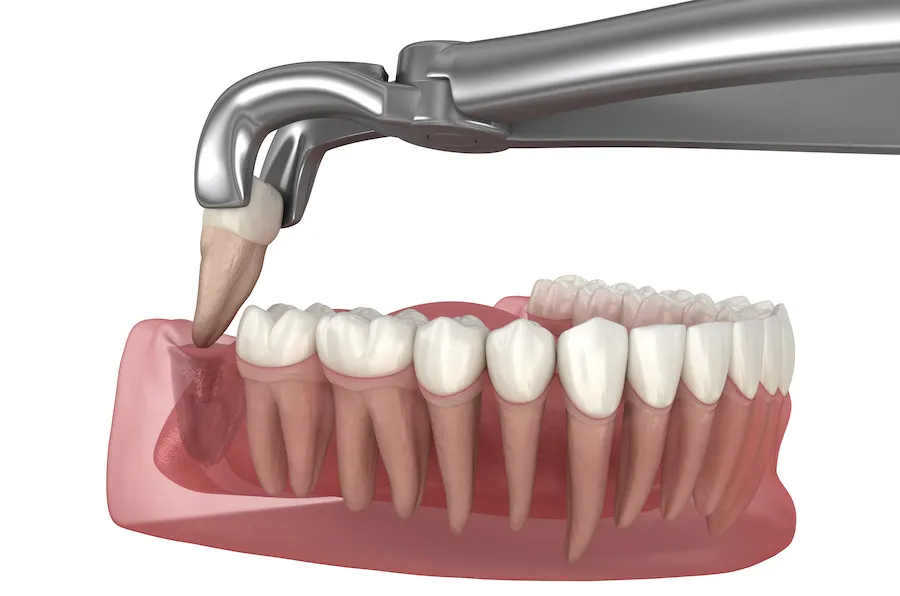
Tooth
Removal
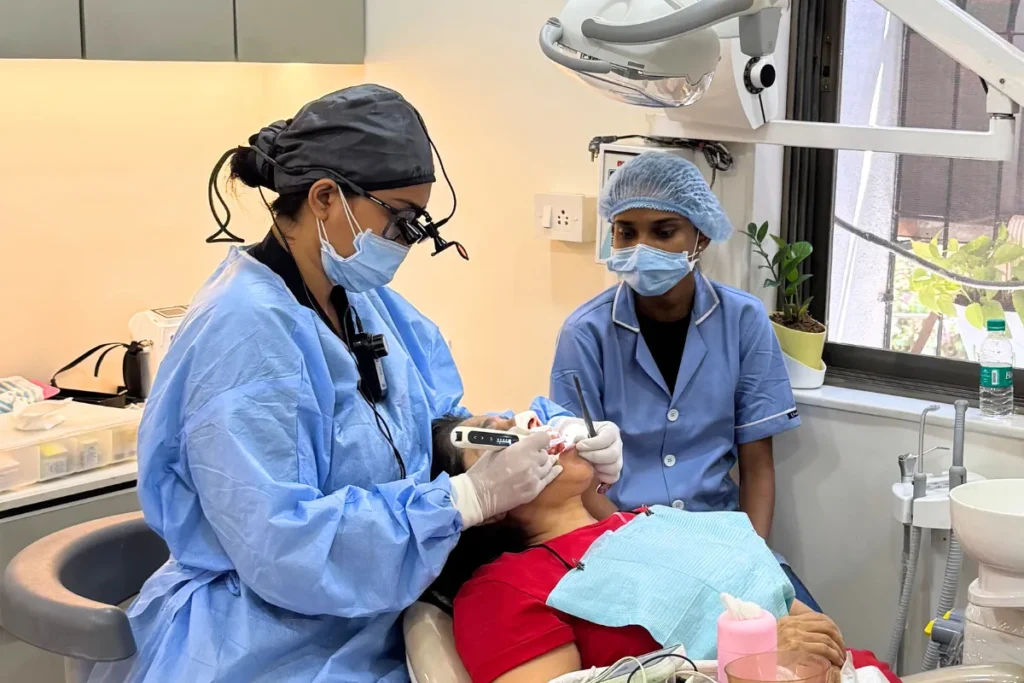
The wisdom tooth is gently loosened and removed; impacted teeth may require a small incision or sectioning.
4
Site Cleaning and Closure
The extraction area is cleaned thoroughly, and sutures are placed when necessary.
5
Post Procedure Guidance
Clear aftercare instructions are provided to support smooth healing and reduce discomfort.



Sheetal Talreja
2 days ago
The best services provided to my mother for her dentures !!!! Best Dentist ever highly recommend..

sunil Lakhiani
2 weeks ago
Good

Sulakshana Dhotre
3 weeks ago
I visited Symphony Dental Clinic and had a very good experience. Dr. Sayliee is very sweet and explained everything very nicely. I really liked the way she explained the treatment. I will definitely visit again for my further treatment. Thank you, Dr. Sayliee!

Sheetal Bubna
1 month ago
Visited Symphony Clinic for a root canal and it was a surprisingly smooth experience. Dr. Sailee is wonderful - she explains each step patiently, makes you feel completely at ease, and has an exceptionally light hand. I felt no discomfort at all during the entire procedure. Highly recommend her for anyone looking for a gentle and skilled dentist.

Parvati Thoman
1 month ago
Went to this dentist with cracked tooth. Was given appt very quickly keeping in mind my short stay as returning to Sydney next day.Place very clean. Very professional and helpful. Tooth fixed and happy. Would recommend this Dentist.

Vannesa Diaz
1 month ago
I visited the place, I'm a foreigner, they served me even better than in my country, It's an excellent service, very good treatment, everything was very good, they solved my problem quickly, everyone is very friendly

Yarz Awungshi
1 month ago
Amazing experience with this dental clinic good staff and excellent doctor Sailee👍🏻 thanks a lot

Narad Jaulim
2 months ago
Good experience. Got my implants done. Very happy with the results. Very knowledgeable Doc. Totally recommend!!

Tushar Kulkarni
2 months ago
Got my root canal treatment done here by Dr. Sailee and the experience was much better than I expected. Very gentle treatment and good follow up.

Skrajesh Menon
2 months ago
I recently had a permanent tooth implant procedure done at Symphony Dental Care, and I couldn't be more excited with the results! From the very first consultation, the entire team (Dr.Sailee, Dr.Vibha and Mr.Ashutosh) made me feel completely comfortable and well cared for. The process was smooth, painless, and handled with the highest level of professionalism and expertise. The final result looks and feels so natural that I can't stop smiling. If you are considering a tooth implant or any major dental work, I highly recommend Symphony Dental Care for their outstanding care, state-of-the-art service, and exceptional outcomes!

Hysham Shaikh
2 months ago
I had a really good experience at this dental clinic for my cleaning and teeth whitening. The dentist was extremely professional, gentle, and took the time to explain the procedure properly. The entire process was comfortable and well handled, and I’m genuinely happy with the results.
The clinic was clean, well-maintained, and the staff were friendly and welcoming. I especially appreciated the attention to detail and the fact that there was no unnecessary pressure or upselling.
I would definitely recommend this dentist to anyone looking for professional dental cleaning and whitening in Mumbai. Very happy with my experience!
I would say this the best clinic in Mumbai .

Yash Popat
3 months ago
I had a wonderful experience at Symphony Dental Care today for my tooth consultation and cleaning. From the moment I walked in, I was impressed by how fresh, modern, and welcoming the clinic felt, very positive vibes.
Dr. Sahli was incredibly kind, gentle, and patient throughout the appointment. She explained every step of the consultation and cleaning clearly, making me feel completely comfortable and well-informed. The treatment was thorough, painless, and handled with great care.
It's rare to find a dental clinic that combines professionalism with such a warm and friendly approach. I genuinely had a great experience and would highly recommend Symphony Dental Care to anyone looking for quality dental treatment.

Vishvanath Dashrathe
3 months ago
Symphony Dental care is the clinic for treatment which is more caring, individual attention, soft & painless procedures for each one.

Tega S
4 months ago
Excellent service and welcome and explanation from this awesome dentist lady.
Place is clean modern and cozy.
Right on time for appointment.
Did a cleaning job satisfactorily.
I recommend.

Ritika
5 months ago
Took my mom for her root canal and ceramic tooth cap treatment with Dr. Sailee, and I genuinely felt she was in safe hands throughout. Seeing your parent comfortable and cared for during a dental procedure means a lot, and Dr. Sailee made the entire experience smooth, calm, and reassuring for us. Truly grateful for her kindness, and patience.

Gaurav Shetty
5 months ago
Great session, Doc is very good. Nice and hygienic centre.

Snigdha Varma
5 months ago
Very good servve

roger bhutelo
5 months ago
Excellent service good result good suggestion
Great work

Siva Kumar
6 months ago
Good day,
“Dr. Swapnalimore was extremely professional and ensured I felt comfortable throughout the entire procedure.”
“She is truly warm and kind-hearted, with a homely nature that instantly puts you at ease.”
“The diagnosis was accurate, and the treatment was precise without any unnecessary procedures.”
“I was clearly informed about the issue and the complete process. The treatment was painless and carried out with great perfection.”.
By
vs.sivakumar , Former Marine Chief engineer.

Dhristi Wadhwani
6 months ago
We went to the clinic for a dental cleaning and some fillings. Dr. Saliee was exceptionally gentle, patient, and caring.

Samantha Samuel.
6 months ago
I got my 8 year old son for a clean up, fluroid treatment and a filling to Dr Sailee. Not only was she gentle, friendly and warm. She answered my sons every question. She addressed all his dental issues whilst explaining each step as she goes along. She is definitely one of the best dentist my son has been treated by.

Amit Shah
7 months ago
Great, professional treatment.

shilpa
7 months ago
I had a great experience during my appointment at the clinic. I went in for a teeth cleaning, and the entire process was smooth and very comfortable. The team was professional and took the time to give me a detailed consultation about my dental health and the treatments I might need in the future. I really appreciated their guidance and care. I will definitely be coming back for my future dental treatments. 😊

Jasleen Kaur
7 months ago
I recently visited Dr. Sailee, and I must say, she's a fantastic dentist! 😊 She took her time to explain the treatment in detail, answering all my questions, and made sure I was comfortable before starting the procedure.
Her gentle touch and caring nature really stood out - she has incredibly soft hands! 👐
The clinic has a very peaceful and calming ambience, which helped me relax even more. The treatment was top-notch, and the best part is, it was value for money! 💸 Highly recommend Dr. Sailee for anyone looking for a skilled and compassionate dentist 👍

Aishwarya Sonar
7 months ago
Easy to get appointment, pain free treatment and felt looked after with post care as well. She is an amazing doctor, highly recommend!!!

Aniket Chaudhari
8 months ago
I had an excellent experience at this dental clinic! Dr. Sailee provided individual attention throughout the treatment. She offered the best dental care at a reasonable rate, which makes it accessible for everyone. The consultation was thorough, and she also took the time to explain all potential issues and solutions for my teeth. Highly recommend it for anyone seeking reliable dental care.

ankita magdum
8 months ago

Sayli Pande
8 months ago
I visited Symphony Dental Clinic for a consultation regarding my tooth sensitivity, and I must say it was the right decision. Dr. Sailee is an exceptional dentist. She patiently listened to my concerns, conducted a thorough examination, and explained everything clearly before recommending the appropriate treatment. I would highly recommend visiting her clinic if you have any dental concerns.

Chingmi Ronra
8 months ago
Very clean and well-maintained clinic. The team was friendly and attentive. I am very satisfied with the treatment.

Madhura Awchat
8 months ago
I went in for a root canal treatment through a friend's reference. Dr Sailee was very friendly and accomodating. I was immediately given an appointment even though it was a busy Sunday. The treatment was painless, and she properly explained me all of it. The space is cozy, clean and spacious. Recommended!!

Soham Salunkhe
8 months ago
Will Highly recommend for anyone seeking a stress-free dental experience.

Ramdas Kulkarni
8 months ago
Best clinic in Bandra West

Sakshi Borde
8 months ago
Invisalign Treatment Review:
Getting aligners treatment was always on my mind. Dr Sailee and Dr Sharvari have been excellent. Genuinely happy with the results after 8months of the treatment.
Things have been systematic, and the clinics atmosphere is very comforting.

ATHARV Deshpande
8 months ago
Woke up with terrible pain. Had to go through RC Treatment. It went near painless. I thought of going ahead with Zirconia Crowns. Looks amazing. Thanks Team at Symphony

Aditya Kulkarni
8 months ago
Dr. Sailee has become our Family Dentist. Thanks so much!

Ellen Tattam
9 months ago
I had a really great experience at Symphony Dental care - I went in for a general clean and check up & everything was lovely ! Booking the appointment was very easy & the service was wonderful. Thank you so much

Aditya Mankar
9 months ago
I had my dental implant done at Symphony Dental Care and honestly the whole experience was very smooth. From the first visit itself, the communication was so clear and reassuring, which really helped calm my nerves.
The doctor explained everything properly before the procedure and even the pre and post-operative instructions were explained in a very simple way. You can clearly see the depth of knowledge and care here. I felt well taken care of throughout, and recovery also went better than I expected.
If you’re thinking about implants or any major dental work, I would genuinely recommend Symphonia Dental Care and Dr. Sailee. You’ll be in safe hands for sure.

Ashesh Agarwal
9 months ago
I went here for a regular teeth cleaning and it was a comfortable, smooth experience. The cleaning is gentle yet thorough, and everything is explained clearly. Thank you!

Saurabh Ramdasi
9 months ago
The doctor demonstrated a good expertise and the treatment was satisfactory.
I found the hygiene aspect of the clinic to be impressive. The location is easily accessible too.

Hariharan A G
9 months ago

Arnav Borde
9 months ago
I had my Aligner treatment done from Symphony Dental Care. Wonderful Experience and Great Results. Clinic vibe 👏👌🏼

shilpa pandit
9 months ago
Dr.sayali kalyankar sohoni is excellent doctor. Dental clinic is very clean. Instruments are very clean. She is very skilled and soft spoken. I have very good experience.

Tavish Kotian
9 months ago
Thank you for the quick and clean tooth extension work.

Namrata Kingaonkar
9 months ago
Amazing experience!
Went to extract my decayed tooth and it was completely painless.
Good support was provided for the next 4-5 days as well.
Best part is Dr. Sailee tries to save the tooth as much as possible over extraction or placing implants, so I would recommend the clinic for trustworthy experience!

Shalini Iyer
11 months ago
I visited Dr. Sailee recently and was genuinely impressed by her approach. She explained my tooth issue so simply and patiently, almost like she would to a child — which instantly put me at ease. It never felt like the usual dental routine of “drill, fill, and extract.” She took the time to help me understand what was happening and why. Truly one of the most genuine dentists I’ve met.

Chaitanya Pathak
11 months ago
If you’re looking for a smile makeover, Dr Sailee Kalyankar is the one to visit. I got veneers and the difference is honestly visible – my teeth look so natural and perfect. The clinic is super clean, modern, and has a lovely vibe. Whole experience was smooth and painless. Kudos to symphony dental care

Lakshata Shetty
1 year ago
Doctor Saylee has carried out my entire treatment very nicely and painfree. The overall experience was fantastic and would recommend others also to visit for any teeth related treatment and checkup. The most friendly doctor in town.

Sushant Rathod
2 years ago
Had a fantastic experience at Symphony Dental Care! Dr. Sailee and her team made my root canal and crown treatment smooth and painless. They even played my favorite songs during the treatment, which really helped ease my anxiety. Excellent care, modern clinic, and great attention to detail. Highly recommend!