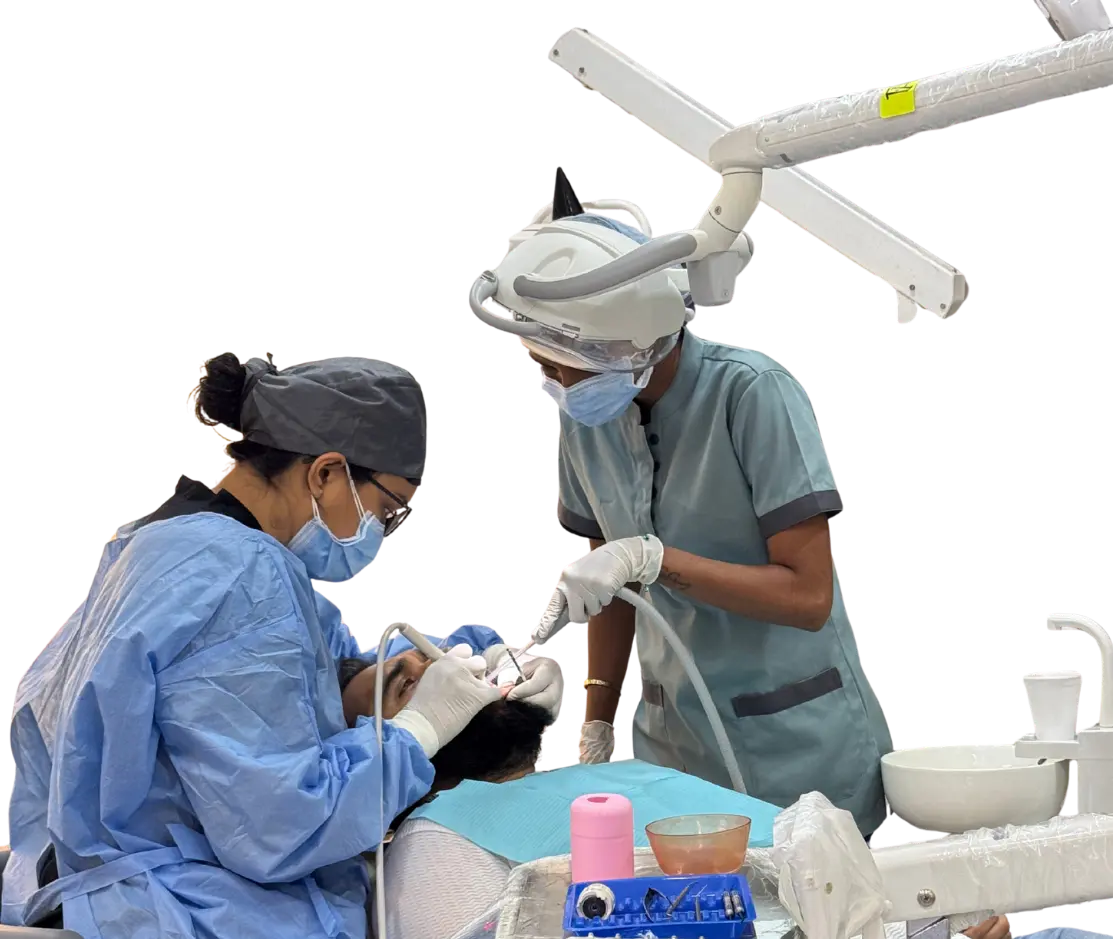

Broken Tooth or Sudden Pain? When to See an Emergency Dentist in Bandra West

Reviewed by Dr. Sailee Kalyankar
Last updated: July 07, 2026
Table of Contents
Imagine biting into your favourite meal when you suddenly hear a crack. Within seconds, your tooth chips, sharp edges cut into your tongue, and pain begins to spread across your jaw. Or perhaps you wake up in the middle of the night with an intense toothache that refuses to subside despite taking pain medication.
Dental emergencies often happen unexpectedly, and knowing how to respond can make a significant difference. While some dental issues can safely wait for a routine appointment, others require immediate attention to prevent complications such as infection, permanent tooth damage, or tooth loss.
Whether it’s a broken tooth from an accident, severe tooth pain caused by deep decay, facial swelling from an infection, or a tooth that has been completely knocked out, timely treatment is often the key to preserving your oral health.
If you’re searching for an emergency dentist in Bandra West, understanding which symptoms require urgent care that can help you make informed decisions and receive treatment before the condition worsens.
In this article, we will explain the warning signs of a dental emergency, immediate first-aid steps, available treatment options, and when you should seek professional dental care without delay.
What Is Considered a Dental Emergency?
Not every dental problem is an emergency. A mild tooth sensitivity or a small chip without pain may not require immediate treatment, but conditions involving severe pain, infection, trauma, or uncontrolled bleeding often do.
A dental emergency is generally any oral health condition that needs prompt professional evaluation to:
- Relieve severe pain
- Control bleeding
- Prevent infection from spreading
- Save a damaged or knocked-out tooth
- Restore normal chewing and speaking
- Prevent permanent damage to teeth, gums, or supporting bone
Recognising the difference between an urgent dental problem and a routine dental concern helps ensure you receive appropriate care at the right time.
When Should You See an Emergency Dentist Immediately?
Severe Tooth Pain
A persistent or throbbing toothache is often more than just an inconvenience. It may indicate:
- Deep dental decay reaching the pulp
- An infected tooth nerve
- A dental abscess
- Cracked tooth syndrome
- Advanced gum infection
Pain that lasts for several hours, disrupts sleep, or worsens despite medication should never be ignored.
A Broken / Fractured Tooth
A broken tooth doesn’t always cause immediate pain. However, even a small fracture can expose the inner layers of the tooth, increasing the risk of infection, sensitivity, or further breakage.
Common causes include:
- Sports injuries
- Road traffic accidents
- Biting hard foods
- Falls
- Teeth grinding (Bruxism)
Depending on the severity, treatment may involve dental bonding, a crown, root canal therapy, or, in some cases, extraction followed by tooth replacement.
A Knocked-Out Tooth
One of the most time-sensitive dental emergencies is an avulsed (knocked-out) permanent tooth. According to the International Association of Dental Traumatology (IADT), prompt management and proper handling of an avulsed tooth are important factors influencing treatment outcomes.
If managed correctly and treated quickly, there may be a possibility of reimplanting the tooth.
Immediate Steps
- Pick the tooth up by the crown (avoid touching the root).
- If dirty, gently rinse it with clean water for a few seconds.
- If possible, place it back into the socket without forcing it.
- If that isn’t possible, keep it in cold milk or a tooth preservation solution.
- Visit an emergency dentist immediately.
Facial Swelling
Swelling of the face, jaw, or gums may indicate a dental abscess or spreading bacterial infection.
Warning signs include:
- Difficulty swallowing
- Difficulty opening the mouth
- Fever
- Pus discharge
- Persistent bad taste in the mouth
- Swelling extending towards the eye or neck
These symptoms should be evaluated urgently, as untreated infections can spread beyond the mouth.
Did You Know? The chances of successfully saving a knocked-out permanent tooth are generally highest when treatment begins within the first hour after the injury.
Why Immediate Dental Treatment is Important?
Many people delay dental treatment, hoping the pain will disappear on its own. Unfortunately, dental problems rarely resolve without appropriate care.
Seeking prompt treatment may help:
Preserve Your Natural Tooth
Early intervention increases the likelihood of repairing a damaged tooth rather than removing it.
Prevent Infection from Spreading
A small cavity can eventually reach the dental pulp, allowing bacteria to infect the tooth and surrounding tissues.
Without treatment, infection may spread to adjacent bone and soft tissues.
Reduce Treatment Complexity
Treating a small fracture or cavity early is generally less invasive than addressing advanced decay, severe infection, or extensive tooth damage.
Restore Comfort Faster
Emergency dental treatment focuses on relieving pain while addressing the underlying cause rather than simply masking symptoms.
What are the Causes of Dental Emergencies?
Understanding why dental emergencies occur can help reduce your future risk.
Some of the most common causes include:
| Cause | Possible Dental Problem |
|---|---|
| Tooth decay | Severe toothache, infection |
| Sports injuries | Broken or knocked-out tooth |
| Falls | Cracked teeth, jaw injury |
| Teeth grinding | Fractures, enamel wear |
| Hard foods | Chipped or broken tooth |
| Old fillings | Tooth fracture |
| Gum disease | Loose teeth, abscess formation |
| Road accidents | Dental trauma |
What Should You Do Before Visiting an Emergency Dentist?
The moments following a dental emergency are crucial. While first aid cannot replace professional treatment, taking the right steps can help reduce pain, protect the affected tooth, and minimise the risk of further complications.
Below are some practical measures you can take until you reach your dentist.
First Aid for Common Dental Emergencies
If You Have a Broken or Chipped Tooth
A broken tooth may seem minor, but even a small crack can expose the inner layers of the tooth, making it vulnerable to infection and sensitivity.
- Rinse your mouth gently with lukewarm water.
- Save any broken tooth fragments if possible.
- Apply a cold compress to the outside of your cheek for 10–15 minutes to help reduce swelling.
- Avoid chewing on the affected side.
- Schedule an emergency dental visit as soon as possible.
- Using super glue or household adhesives to repair the tooth.
- Ignoring the injury because it is not painful.
- Chewing hard or sticky foods.
If You Have Severe Tooth Pain
Tooth pain often indicates an underlying issue such as infection, deep decay, or inflammation of the dental pulp.
- Rinse your mouth with warm salt water.
- Gently floss around the affected tooth to remove trapped food particles.
- Take pain relief medication only as directed by your healthcare provider or according to the product instructions.
- Contact your dentist if the pain is severe or persistent.
- Placing aspirin directly on the gums.
- Applying very hot or very cold substances to the tooth.
- Waiting several days to see if the pain disappears.
If Your Tooth Has Been Knocked Out
This is one of the few dental emergencies where time is extremely important.
- Pick up the tooth by the crown (the chewing surface), not the root.
- Rinse it gently with clean water if dirty.
- Do not scrub or remove attached tissue.
- If possible, gently place it back into the socket.
- If that isn't possible, store it in cold milk or a tooth preservation solution.
- Visit an emergency dentist immediately.
Clinical Tip: Teeth treated promptly after being knocked out generally have a better chance of successful reimplantation.
If You Lose a Crown or Filling
Although this may not always be a medical emergency, the exposed tooth can become sensitive and more prone to further damage.
- Keep the crown if you have it.
- Avoid chewing on that side.
- Maintain good oral hygiene.
- Visit your dentist promptly for replacement or repair.
If You Have Facial Swelling
Facial swelling associated with a painful tooth may indicate a dental abscess.
- Contact a dentist immediately.
- Drink plenty of water.
- Apply a cold compress externally.
- Applying heat to the swollen area.
- Attempting to drain the swelling yourself.
- Taking leftover antibiotics without professional advice.
Emergency Dentist vs Regular Dental Appointment
| Situation | Emergency Visit | Routine Appointment |
|---|---|---|
| Severe tooth pain | Yes | No |
| Knocked-out tooth | Yes | No |
| Facial swelling | Yes | No |
| Dental abscess | Yes | No |
| Broken tooth with pain | Yes | No |
| Mild sensitivity | Usually not | Yes |
| Teeth cleaning | No | Yes |
| Cosmetic consultation | No | Yes |
How Does an Emergency Dentist Treat These Problems?
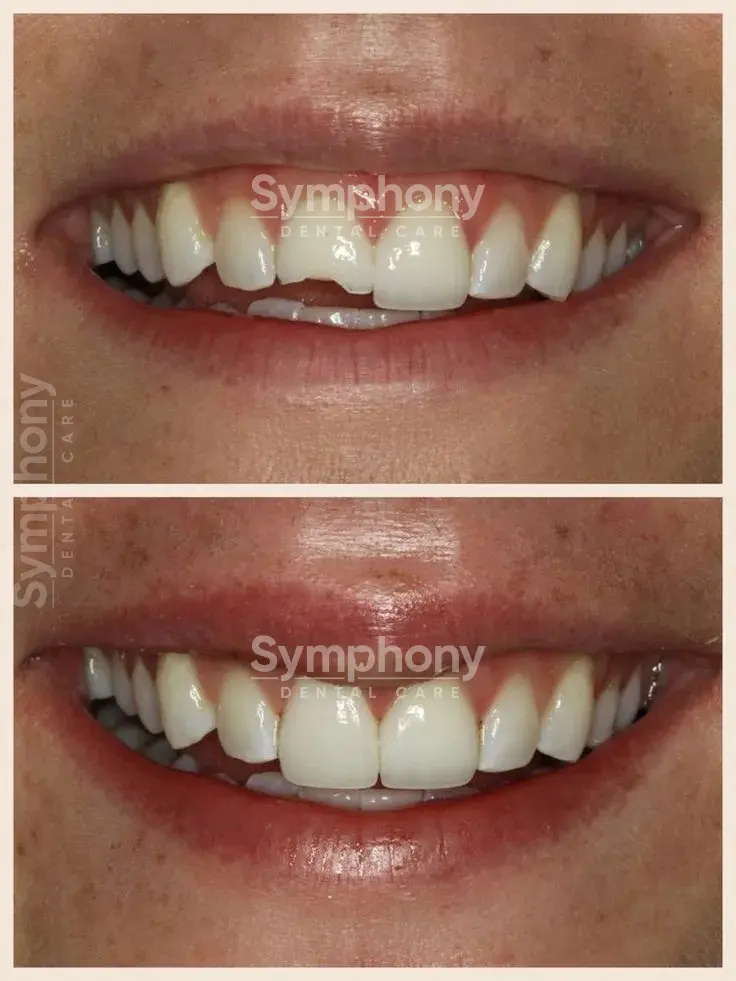
Before/After results of Broken Tooth Treatment
Dental Bonding
Small chips and minor fractures can often be repaired using tooth-coloured composite resin.
Best For
- Chipped teeth
- Minor cracks
- Small cosmetic fractures
Dental Crown
When a tooth has lost significant structure but can still be preserved, a custom-made dental crown may be recommended.
Benefits:
- Restores strength
- Improves appearance
- Protects weakened teeth
- Restores normal chewing
Root Canal Treatment
If bacteria have reached the pulp (the inner nerve of the tooth), root canal therapy may be required.
Signs include:
- Severe pain
- Lingering sensitivity
- Swelling
- Pus formation
Dr. Sailee Kalyankar has specialization in Modern root canal treatment which is designed to remove infection while preserving the natural tooth whenever possible.
Tooth Extraction
Sometimes, a tooth cannot be saved due to extensive fracture, severe infection, or advanced damage.
Following tooth extraction, replacement options such as Dental Implants, Bridges, or Partial Dentures may be discussed to restore function and aesthetics.
Dental Implants
If a tooth cannot be restored or has been lost, dental implants offer a long-term replacement option.
Potential benefits include:
- Stable support
- Natural appearance
- Improved chewing function
- Preservation of jawbone over time
Expert Insights
"One of the most common mistakes I see is patients delaying treatment because the pain seems manageable or the tooth doesn't appear badly damaged. Even a small crack can allow bacteria to enter the tooth, potentially leading to infection or more extensive treatment later. Seeking prompt evaluation often gives us the best opportunity to preserve the natural tooth and relieve discomfort before complications develop."

Dr. Sailee Kalyankar
BDS, MDS | Conservative Dentist and Microscopic Endodontist. Khar West | Bandra West.
Registration Number A- 35825
Why Patients in Bandra West Trust Symphony Dental Care
When facing a dental emergency, patients value prompt attention, experienced clinicians, and clear communication. At Symphony Dental Care, our focus is on delivering timely, patient-centred treatment using modern diagnostic technology and evidence-based care.
- Assess your condition promptly using digital diagnostic tools.
- Provide immediate pain relief where appropriate.
- Recommend evidence-based treatment according to your needs.
- Coordinate follow-up care if additional procedures are required.
- Offer continuity of care through the recovery process.
Patients from Bandra West, Khar West, Mahim, Bandra East, Santacruz, and nearby neighbourhoods often seek emergency dental care at Symphony Dental Care when they experience sudden tooth pain, broken teeth, or dental injuries.
Frequently Asked Questions (FAQs)
Not every broken tooth is an emergency, but every broken tooth should be evaluated by a dentist. If the fracture causes severe pain, bleeding, exposes the inner layer of the tooth, or occurs after significant trauma, prompt treatment is recommended. Even painless cracks can worsen over time or increase the risk of infection if left untreated.
Ideally, you should see a dentist on the same day or within 24 hours. Early treatment can help preserve the tooth, reduce discomfort, and prevent complications such as infection or further fracture.
No. Unlike bones, teeth cannot regenerate lost enamel or repair fractures naturally. A dentist may recommend treatments such as dental bonding, a crown, root canal treatment, or another appropriate procedure depending on the extent of the damage.
Rinse your mouth with warm salt water, gently floss around the affected tooth to remove trapped food, and avoid chewing on that side. If the pain is severe, persistent, or accompanied by swelling or fever, arrange an emergency dental evaluation as soon as possible.
Most dental emergencies are best managed by a dentist. However, if tooth pain is accompanied by facial swelling, difficulty breathing, difficulty swallowing, uncontrolled bleeding, or significant facial trauma, seek emergency medical care immediately.
In some cases, yes. The chances are generally higher when the tooth is handled carefully and the patient receives professional treatment as soon as possible. Avoid touching the root, keep the tooth moist, and seek urgent dental care without delay.
The dentist will begin by reviewing your symptoms and medical history, followed by a clinical examination. Digital X-rays or other diagnostic tests may be recommended to determine the cause of the problem. Treatment may include pain management, temporary or permanent restoration, root canal treatment, extraction, or referral if additional care is needed.
Yes. Persistent tooth pain may result from deep decay, pulp inflammation, a dental abscess, gum disease, or other conditions. Because infections can spread if untreated, a dentist should evaluate persistent or worsening pain.
Yes. Swelling around the face, jaw, or gums—especially when associated with pain, fever, or pus—may indicate an infection that requires urgent professional evaluation. Delaying treatment may increase the risk of complications.
Until you receive treatment, avoid:
- Hard foods (nuts, ice, hard candies)
- Sticky foods (toffees, chewing gum)
- Very hot or very cold foods if the tooth is sensitive
- Crunchy foods that may worsen the fracture
Good preventive habits include:
- Brushing twice daily with fluoride toothpaste
- Flossing every day
- Regular dental check-ups
- Wearing a mouthguard during contact sports
- Avoiding chewing ice or hard objects
- Treating cavities and damaged restorations promptly
- Wearing a night guard if you grind your teeth
Yes. Children may experience chipped teeth, knocked-out teeth, dental injuries during sports, or toothaches. Because the management of primary (baby) teeth and permanent teeth differs, it’s important to have a child evaluated promptly by a dentist after dental trauma.
If you have severe pain, swelling, trauma, uncontrolled bleeding, or a knocked-out permanent tooth, you should not delay treatment. Early intervention often improves outcomes and may help preserve the tooth.
Keep the crown if you still have it, avoid chewing on the affected tooth, maintain good oral hygiene, and arrange an appointment with your dentist. If the exposed tooth becomes painful or sensitive, seek earlier evaluation.
Conclusion
A broken tooth or sudden tooth pain should never be ignored. While some dental concerns can wait for a routine appointment, symptoms such as severe pain, swelling, bleeding, or trauma often require prompt professional attention.
Knowing how to respond during a dental emergency can help protect your teeth, relieve discomfort, and reduce the risk of long-term complications. If you experience any warning signs discussed in this guide, arrange an evaluation with an experienced emergency dentist as soon as possible.
Timely care not only addresses the immediate problem but also helps preserve your smile and overall oral health.
Need an Emergency Dentist in Bandra West? We’re Here to Help