
What to Eat After a Root Canal Treatment | Best Foods for Recovery

Reviewed by Dr. Sailee Kalyankar
Last updated: August 23, 2026
Table of Contents
A root canal removes infection from inside a damaged tooth and helps preserve your natural tooth. But once the procedure is over, one practical question usually comes up: “What can I eat after a root canal?”
Eating the right foods during recovery can make you more comfortable and reduce the chance of putting unnecessary pressure on the treated tooth. At the same time, knowing what to avoid especially while the tooth is still numb or waiting for its final crown is equally important.
Whether you’ve just had a root canal treatment or are preparing for one, this article explains what to eat after treatment, what foods to avoid, how long you should be careful & when post-treatment pain may need dental attention.
At Symphony Dental Care, patients are given personalized aftercare instructions following treatment. If you’re looking for a Dentist in Bandra West, understanding these simple recovery steps can help you protect your treated tooth.
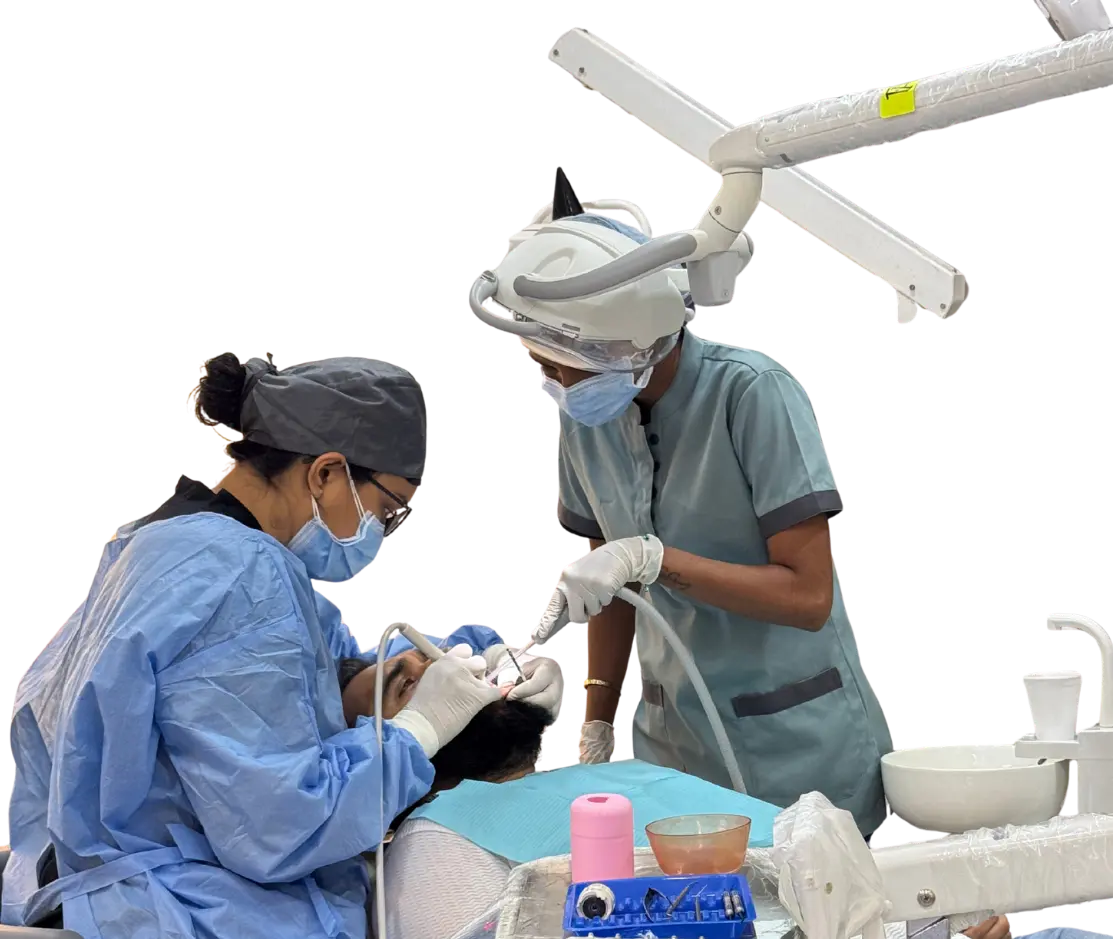
Can I Eat After a Root Canal?
Yes, you can generally eat after a root canal, but timing matters. If local anesthesia was used, your lips, tongue, cheek, and teeth may remain numb for a few hours. Eating while numb increases the risk of accidentally biting your cheek or tongue or burning your mouth with hot food or drinks.
It is usually better to wait until the numbness has worn off before eating. Dentist may also recommend avoiding chewing on the treated tooth until the permanent restoration has been placed.
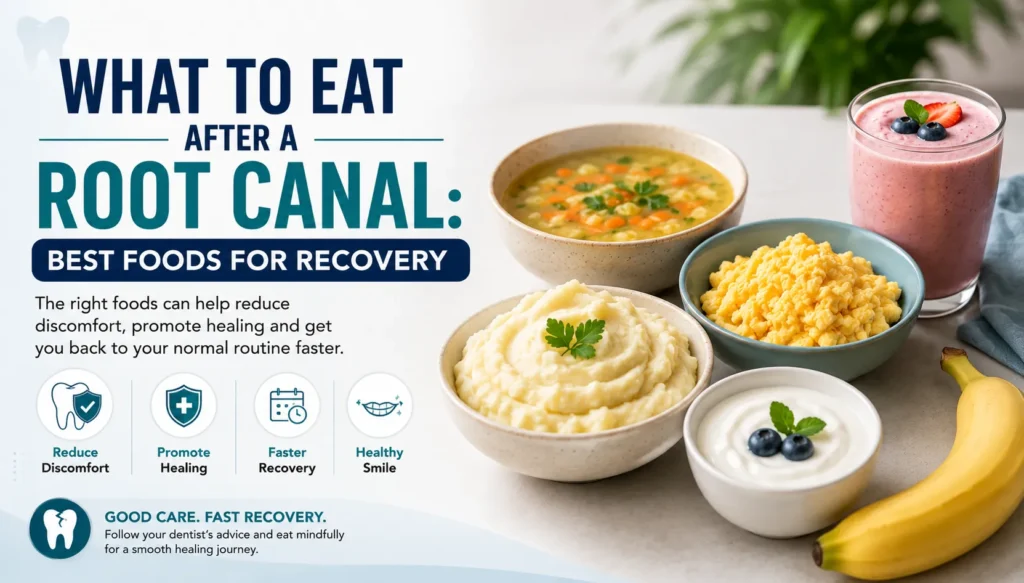
What Are the Best Foods to Eat After a Root Canal?
During the first day or two, choose foods that are soft, easy to chew, and not excessively hot or cold.
Here are some practical options:
1. Khichdi
Soft, warm—not hot—khichdi is easy to eat and requires minimal chewing. It can be a convenient option after dental treatment.
2. Dal and Soft Rice
Dal with well-cooked rice provides a soft meal without putting excessive pressure on the treated tooth.
3. Curd or Yogurt
Plain curd or yogurt is soft and requires little chewing. It can also be a convenient option when your mouth feels sensitive.
4. Soft Idli
Idli is naturally soft and easy to chew, making it a practical Indian food choice during recovery.
5. Mashed Vegetables
Well-cooked and mashed vegetables are easier to eat than raw or crunchy vegetables.
6. Oatmeal or Porridge
Soft porridge is easy to swallow and can be particularly useful when chewing feels uncomfortable.
7. Eggs
Soft scrambled or boiled eggs can provide protein without requiring significant chewing.
8. Soft Fruits
Banana, ripe papaya, and other soft fruits can be eaten comfortably. Avoid hard fruits such as whole apples until chewing on the treated side is comfortable.
9. Soups
Lukewarm soups can be a good option, provided they don’t contain hard pieces that require extensive chewing.
10. Smoothies
Smoothies can be convenient, but avoid very cold drinks if cold sensitivity is an issue. Also avoid adding large amounts of sugar.
What Foods Should You Avoid After a Root Canal?
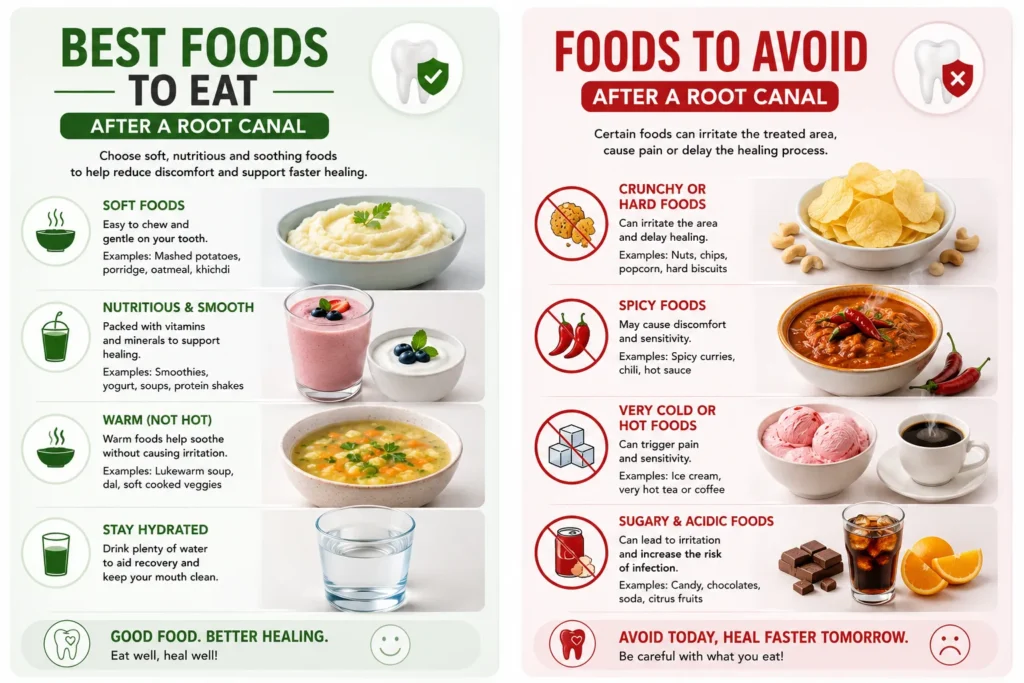
The goal isn’t to follow a complicated diet. Instead, temporarily avoid foods that are hard, sticky, extremely hot, or likely to put excessive pressure on the treated tooth.
Hard Foods
Avoid foods such as:
- Nuts
- Hard candies
- Ice
- Popcorn kernels
- Hard biscuits
- Crunchy snacks
These can place excessive force on a recently treated tooth.
Sticky Foods
Caramel, chewing gum, toffees, and other sticky foods can pull on temporary restorations and make them more vulnerable to damage.
Very Hot Foods and Drinks
If your mouth is still numb, avoid very hot food and drinks because you may not accurately feel the temperature.
Extremely Cold Foods
Ice cream and ice-cold beverages may cause temporary sensitivity in some patients.
Sugary Foods
Excessive sugar can contribute to plaque accumulation and tooth decay. Good oral hygiene remains important even after root canal treatment.
Can I Eat Normally After a Root Canal?
Eventually, yes.
Once the numbness has completely disappeared and your dentist confirms that the tooth has been adequately restored, you can generally return to your regular diet.
However, if the tooth has a temporary filling or is waiting for a crown, you may need to continue avoiding hard or sticky foods on that side.
Your dentist will tell you when the tooth can be used normally.
How Long Should I Avoid Hard Foods After a Root Canal?
There isn’t one fixed timeframe for every patient.
It depends on:
- Whether a temporary or permanent filling was placed
- Whether a crown is required
- How much tooth structure remains
- The condition of the tooth
- Your dentist’s specific instructions
A tooth that has undergone root canal treatment may have already lost substantial structure due to decay or previous restorations. For this reason, protecting it until the final restoration is completed is important.
Why Is a Crown Often Recommended After a Root Canal?
A root canal removes infected pulp, but it doesn’t rebuild tooth structure that has already been lost.
Teeth that have undergone significant structural damage—particularly premolars and molars—may be more susceptible to fracture.
A dental crown can help protect and restore such teeth.
Not every root canal-treated tooth necessarily needs the same type of restoration. Your dentist will determine the appropriate option based on the tooth’s location, remaining structure, and functional requirements.
Did You Know? The chances of successfully saving a knocked-out permanent tooth are generally highest when treatment begins within the first hour after the injury.
Can I Brush My Teeth After a Root Canal?
Yes. Maintaining oral hygiene after a root canal is important. You can generally continue brushing and flossing, but be gentle around the treated area if the surrounding gums are tender.
Don’t stop brushing simply because the tooth has been treated. The treated tooth and the surrounding teeth still need protection from plaque and decay.
Regular dental cleaning and examinations at a trusted Dental clinic in Bandra West or Dental clinic in Khar West can also help maintain your overall oral health.
Timelines are approximate and vary based on individual treatment plans and clinical needs.
Is Some Pain Normal After Eating?
Mild tenderness after a root canal can occur, particularly during biting.
This doesn’t necessarily mean something has gone wrong. The tissues around the tooth can remain sensitive for a short period after treatment.
However, pain should generally improve rather than progressively worsen.
Contact your dentist if you experience:
- Severe or increasing pain
- Significant swelling
- Fever
- Difficulty swallowing
- Difficulty breathing
- A tooth that feels unusually high when biting
- Persistent symptoms that don’t improve
What If My Temporary Filling Falls Out?
Contact your dentist if a temporary filling or restoration becomes falls out.
Avoid chewing on that tooth and don’t attempt to permanently repair it yourself.
A temporary restoration protects the tooth while you wait for the final restoration, so it is important to have it replaced or assessed promptly.
What Is the Best Diet for Root Canal Recovery?
There is no special “root canal diet” required for most patients.
The practical approach is: Soft foods + gentle chewing + good hydration + good oral hygiene + following your dentist’s instructions.
You can continue eating a balanced diet while temporarily modifying the texture of your food.
Focus on foods that provide adequate protein, vitamins, minerals, and calories while avoiding unnecessary pressure on the treated tooth.
How Can You Protect Your Tooth After a Root Canal?
Eating carefully is only one part of successful recovery.
You should also:
- Brush twice daily.
- Floss regularly.
- Follow your dentist’s medication instructions.
- Avoid chewing hard foods on the treated tooth until advised.
- Complete the recommended permanent restoration.
- Attend follow-up appointments.
- Visit your dentist regularly for preventive care.
A root canal-treated tooth can function for many years when it is properly treated, restored, and maintained.
Expert Insights
According to Dr. Sailee Kalyankar, Cosmetic & Restorative Dentist at Symphony Dental Care, Bandra West, a repeatedly failing filling should prompt a closer examination of the tooth rather than an automatic decision to place another filling.

Dr. Sailee Kalyankar
BDS, MDS | Conservative Dentist and Microscopic Endodontist. Khar West | Bandra West.
Registration Number A- 35825
Why Choose Symphony Dental Care for Root Canal Treatment?
At Symphony Dental Care, root canal treatment doesn’t end when the procedure is completed. Patients are guided about restoration, eating, oral hygiene, and follow-up care to support long-term results.
The treatment approach focuses on preserving natural teeth wherever clinically possible while keeping patient comfort and safety at the center. If you’re experiencing persistent tooth pain or have recently undergone root canal treatment, consulting an experienced Dentist in Bandra West can help you understand the right aftercare for your specific situation.
Symphony Dental Care provides comprehensive treatment and preventive dental services for patients looking for a trusted Dental clinic in Khar West.
Frequently Asked Questions (FAQs)
Wait until the numbness wears off before eating. Then choose soft foods such as khichdi, yogurt, dal-rice, idli, scrambled eggs, porridge, or mashed vegetables.
You can generally eat once the local anesthesia has worn off. This helps prevent accidentally biting your tongue or cheek or burning your mouth.
Yes. Soft, well-cooked rice with dal or another soft food is generally comfortable to eat after root canal treatment.
Soft roti may be suitable once the numbness has worn off, but avoid hard or chewy foods if the treated tooth is still tender or has a temporary restoration.
Yes, but avoid very hot beverages while your mouth is numb. If the tooth is sensitive, lukewarm beverages may be more comfortable.
You can generally eat ice cream if it does not trigger sensitivity, but avoid very cold foods if your tooth or surrounding area feels sensitive.
Avoid hard, crunchy, sticky, and excessively chewy foods such as nuts, hard candies, chewing gum, toffees, and ice until your dentist says the tooth is ready for normal chewing.
Yes. Continue brushing and flossing to maintain good oral hygiene, while being gentle around the treated area if it feels sore.
The timeframe depends on whether the tooth has a temporary or permanent restoration and whether a crown is planned.
A crown can protect a structurally weakened tooth from fracture and restore its function. It is particularly common for root canal-treated back teeth, although the need depends on the individual tooth.
Conclusion
Knowing what to eat after a root canal doesn’t have to be complicated.
For the first few days, choose soft foods such as khichdi, dal-rice, idli, yogurt, eggs, porridge, mashed vegetables, and soft fruits. Avoid hard, sticky, extremely hot, or excessively cold foods while the tooth is recovering or waiting for its final restoration.
Most importantly, follow the instructions provided by your dentist. Every tooth and every root canal case is different.
A little care after treatment can help protect your tooth and support a smoother recovery.
Related Articles
Thinking About Root Canal or Extraction?